Gradient Mesh
Transiciones de color complejas y fluidas.
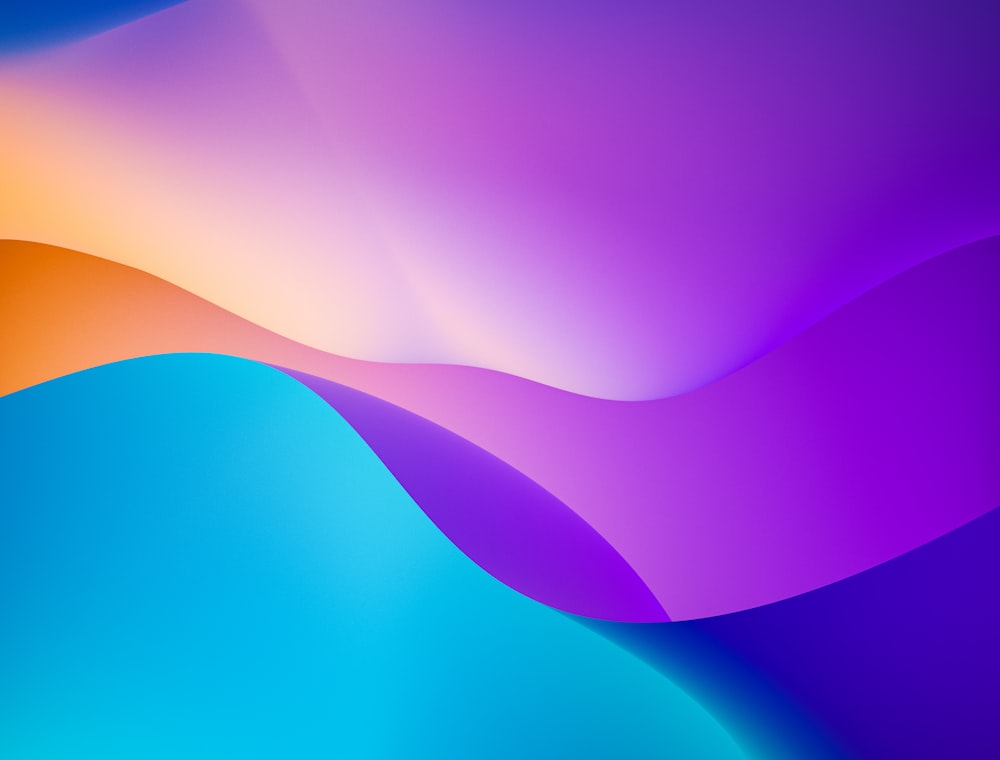
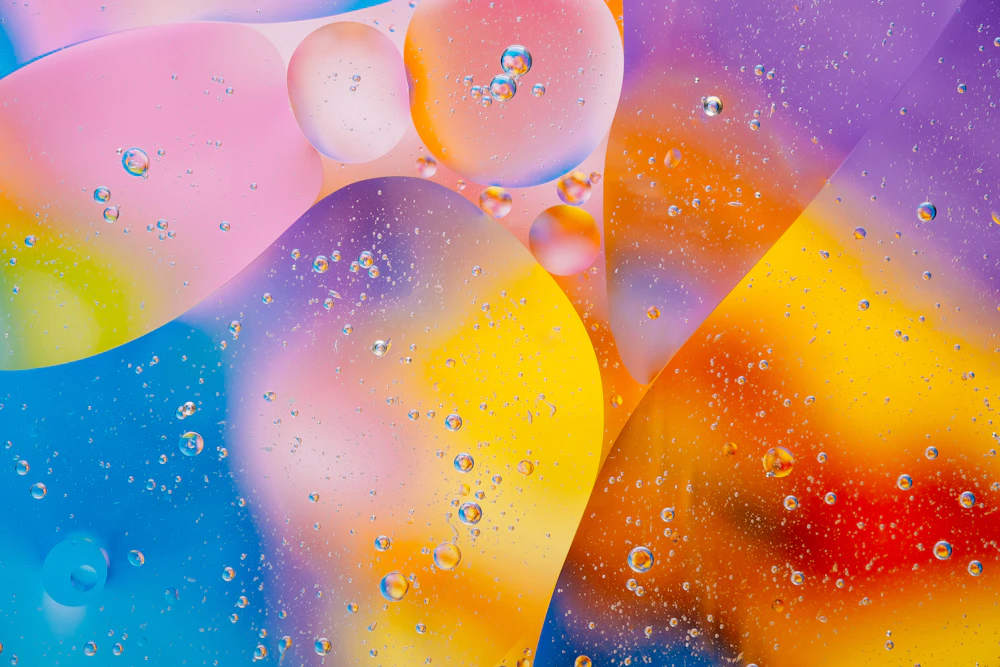
In the Flat Design era, gradients were banished. Then, they returned as simple two-color fades (like the Instagram logo rebrand). Gradient Mesh represents the next evolution: hyper-complex, painterly color fields. They add depth and dimension without relying on shadows or bevels. They feel modern, vibrant, and energetic.
Tools like Adobe Illustrator’s Mesh Tool or modern CSS generators have made creating these visuals accessible. In web design, they are often implemented using CSS radial-gradient overlays, canvas animations, or WebGL shaders for real-time interactivity.
Dynamic Backgrounds
One of the most popular uses of Gradient Mesh is for backgrounds. Because they are abstract, they don’t distract from the content. They provide a mood. A soft, pastel mesh can create a calming, wellness-oriented vibe. A high-contrast, neon mesh can create a tech-forward, cyberpunk atmosphere.
When animated, these meshes come alive. Colors can slowly shift and morph, creating a “lava lamp” effect that makes the website feel like a living organism. This subtle motion keeps the user engaged without demanding their full attention.
Visual Gallery



Branding and Identity
Gradient Meshes have become a staple in startup branding. They offer a way to “own” a color palette. A solid blue is just blue, but a specific swirl of teal, magenta, and violet is a brand identity. Companies like Stripe and Instagram have used complex gradients to differentiate themselves in crowded markets.
The technique also pairs beautifully with Glassmorphism. The blur effect of the glass smooths out the mesh even further, creating ethereal, glowing interfaces that feel premium and futuristic.
Key Characteristics
- Multi-Point Blending: Colors blend from multiple sources, not just two linear points.
- Fluidity: Shapes are organic, curved, and liquid-like.
- Vibrancy: Often uses saturated, bright colors to create impact.
- Depth: The blending creates an illusion of 3D form and lighting.
- Motion: Frequently animated to create a slow, drifting effect.